Windows play an important role in the comfort, appearance, security, and energy efficiency of your home. They bring in natural light, provide ventilation, improve curb appeal, and help protect your living space from outdoor weather. However, windows do not last forever. Over time, older windows can become difficult to operate, develop drafts, allow outside noise into your home, or simply begin to look outdated.
If your windows are showing signs of wear, replacing them can be a practical way to improve your home while potentially reducing energy loss and maintenance needs. With many window styles, frame materials, glass options, and installation choices available today, homeowners have more options than ever.
This guide explains what you should know before replacing your windows, including common warning signs, window types, materials, potential benefits, costs, and how to find the right replacement option.
Signs That Your Windows May Need Replacement
Knowing when to replace your windows isn’t always obvious. Some problems are easy to see, while others become noticeable gradually.
1. Drafts Around the Windows
If you can feel cold or warm air coming through closed windows, the seals, frames, or weatherstripping may no longer be performing properly. Drafty windows can make rooms uncomfortable and may cause your heating or cooling system to work harder.
2. Difficulty Opening or Closing
Windows should operate smoothly. If you have to force a window open, struggle to close it, or find that it will not stay open, the hardware, frame, or structure may have deteriorated.
3. Condensation Between Glass Panes
Moisture or fog appearing between panes of insulated glass can indicate that the window seal has failed. Once the seal is compromised, the insulating performance of the window can be reduced.
4. Visible Damage or Deterioration
Cracked glass, damaged frames, rotting wood, warping, corrosion, or deteriorating seals are all reasons to have your windows inspected. In some situations, repair may be enough, but extensive damage may make replacement more practical.
5. Rising Heating and Cooling Bills
Windows are one part of your home’s exterior envelope. Older or poorly performing windows can contribute to unwanted heat transfer. If your energy bills are increasing and your windows are old, replacement may be worth considering.
6. Outside Noise Is Increasing
Modern replacement windows can sometimes help reduce the amount of outside noise entering your home. If you live near a busy street or another noisy area, ask contractors about glass and window configurations designed with sound reduction in mind.
7. Your Home Looks Outdated
Sometimes replacement is about more than performance. New windows can dramatically change the appearance of a home. Different styles, colors, frame materials, and grille patterns can give an older property a cleaner and more modern appearance.
Benefits of Replacing Your Windows
A window replacement project can provide several potential benefits.
Improved Comfort
Well-installed replacement windows can help reduce drafts and temperature fluctuations around windows. This can make rooms feel more comfortable throughout the year.
Better Energy Performance
Many modern windows are designed with improved insulation compared with older single-pane or inefficient windows. Features such as multiple glass panes, low-emissivity coatings, and insulated frames can help reduce heat transfer.
Actual energy savings will depend on factors such as your existing windows, climate, home construction, installation quality, and heating and cooling habits.
Enhanced Curb Appeal
Windows are a noticeable part of your home’s exterior. New windows can update the look of your property and complement other improvements such as new siding, roofing, doors, or landscaping.
Easier Maintenance
Some newer window materials are designed to require less maintenance than traditional wood. For example, vinyl and certain composite or fiberglass options generally do not require the same type of regular painting as wood frames.
Improved Functionality
Replacement windows can address problems such as difficult operation, damaged hardware, poor ventilation, and outdated designs. Choosing the right operating style can also make cleaning and ventilation easier.
Popular Window Styles
There are many different window styles available, and the best option depends on the room, architecture of your home, ventilation needs, and personal preferences.
Double-Hung Windows
Double-hung windows are among the most common choices for residential homes. Both the upper and lower sashes can move, allowing flexible ventilation.
Single-Hung Windows
Single-hung windows have a movable lower sash while the upper portion remains fixed. They can be a straightforward option for homeowners looking for a traditional appearance.
Casement Windows
Casement windows are attached to hinges and typically open outward. They can provide strong ventilation and a clear view because they generally have fewer frame components across the glass area.
Sliding Windows
Sliding windows move horizontally along a track. They can be particularly useful in areas where an outward-opening window would not be practical.
Awning Windows
Awning windows are hinged at the top and open outward from the bottom. Their design can provide ventilation while helping prevent rain from entering when the window is partially open.
Picture Windows
Picture windows are generally fixed and do not open. Their large glass areas are designed primarily to provide natural light and unobstructed views.
Bay and Bow Windows
Bay and bow windows extend outward from the exterior wall. They can add architectural character, increase the visual space around a window area, and provide broader views.
Choosing the Right Window Material
Window frames are available in several materials, each with different characteristics.
Vinyl Windows
Vinyl is a popular replacement window material because it is generally affordable, low maintenance, and available in many configurations.
Fiberglass Windows
Fiberglass frames are known for their strength and durability. They can also provide a clean appearance and may be suitable for homeowners looking for a higher-performance frame option.
Wood Windows
Wood windows offer a traditional appearance and can work particularly well with historic or classic home designs. They generally require more maintenance than many modern alternatives.
Aluminum Windows
Aluminum frames are strong and lightweight. They are commonly used in certain architectural applications, although their thermal performance can vary depending on the design and construction.
Understanding Window Glass
The glass is just as important as the frame.
Double-pane windows contain two layers of glass with an insulating space between them. Triple-pane windows contain three layers and can provide additional insulation, although they may cost more.
Low-E glass includes a special coating designed to control heat transfer while allowing natural light to enter. Some insulated windows may also use gas fills between panes to improve thermal performance.
When comparing windows, don’t focus only on the appearance. Ask about the window’s energy-performance ratings and how the entire window system—not just the glass—is designed to perform.
How Much Does Window Replacement Cost?
The cost of replacing windows varies considerably from one project to another.
Several factors can influence the total price, including:
- Number of windows being replaced
- Window size
- Window style
- Frame material
- Type of glass
- Energy-performance features
- Customization
- Installation requirements
- Condition of existing openings
- Labor costs in your area
- Whether interior or exterior trim needs modification
A basic replacement project involving standard-size windows may cost considerably less than a project involving large custom windows, specialty shapes, extensive structural work, or premium materials.
Because every home is different, getting multiple estimates is one of the best ways to understand what your particular project may cost.
Replacement Windows vs. New Construction Windows
One important decision is whether your project requires replacement windows or new-construction windows.
Replacement windows are generally designed to fit within an existing window opening, which can make them suitable when the surrounding frame and structure are in good condition.
New-construction windows are typically installed as part of a larger construction or major renovation project and may involve more extensive work around the opening.
The correct choice depends on the condition of your existing window frames, the structure around them, and the installation requirements of your home.
What to Look for in a Window Contractor
The quality of installation can be just as important as the window itself. Even a high-quality window may perform poorly if it is installed incorrectly.
Before hiring a contractor, consider asking:
- How long have you been installing replacement windows?
- Are you licensed where required?
- Are you insured?
- Do you provide a written estimate?
- What type of windows do you install?
- What warranties are included?
- Does the estimate include labor and disposal?
- Will you handle the removal of the existing windows?
- What preparation or repairs are included?
- How long is the expected installation process?
Be cautious of estimates that are unusually low compared with several other quotes. A lower initial price does not always mean a lower total cost if important services or materials are excluded.
How the Window Replacement Process Works
Although every contractor has a different process, a typical replacement project may follow several basic steps.
Step 1: Evaluate the Existing Windows
The contractor examines your current windows and surrounding openings to determine their condition and identify potential problems.
Step 2: Measure the Openings
Accurate measurements are essential. Your contractor should measure the openings carefully before ordering replacement windows.
Step 3: Choose Your Windows
You’ll select the style, material, glass configuration, color, hardware, and other available options.
Step 4: Receive a Written Estimate
The estimate should explain what windows will be installed, the quantity, materials, labor, warranties, and other project costs.
Step 5: Schedule Installation
Once the windows arrive, the contractor can schedule the installation.
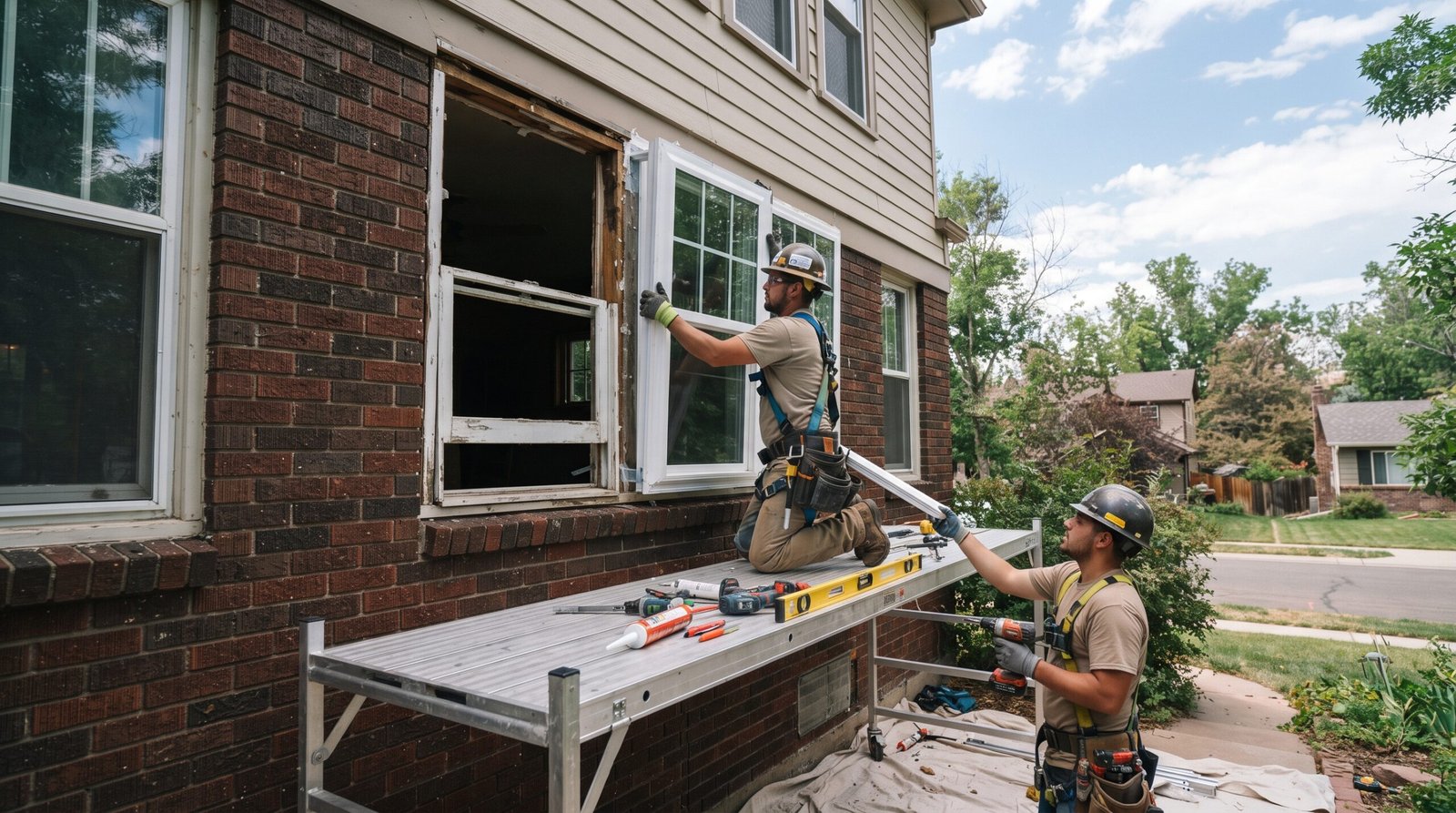
Step 6: Remove the Existing Windows
The old windows are carefully removed while minimizing unnecessary damage to the surrounding area.
Step 7: Prepare the Opening
The contractor checks the opening and addresses any issues that could affect installation.
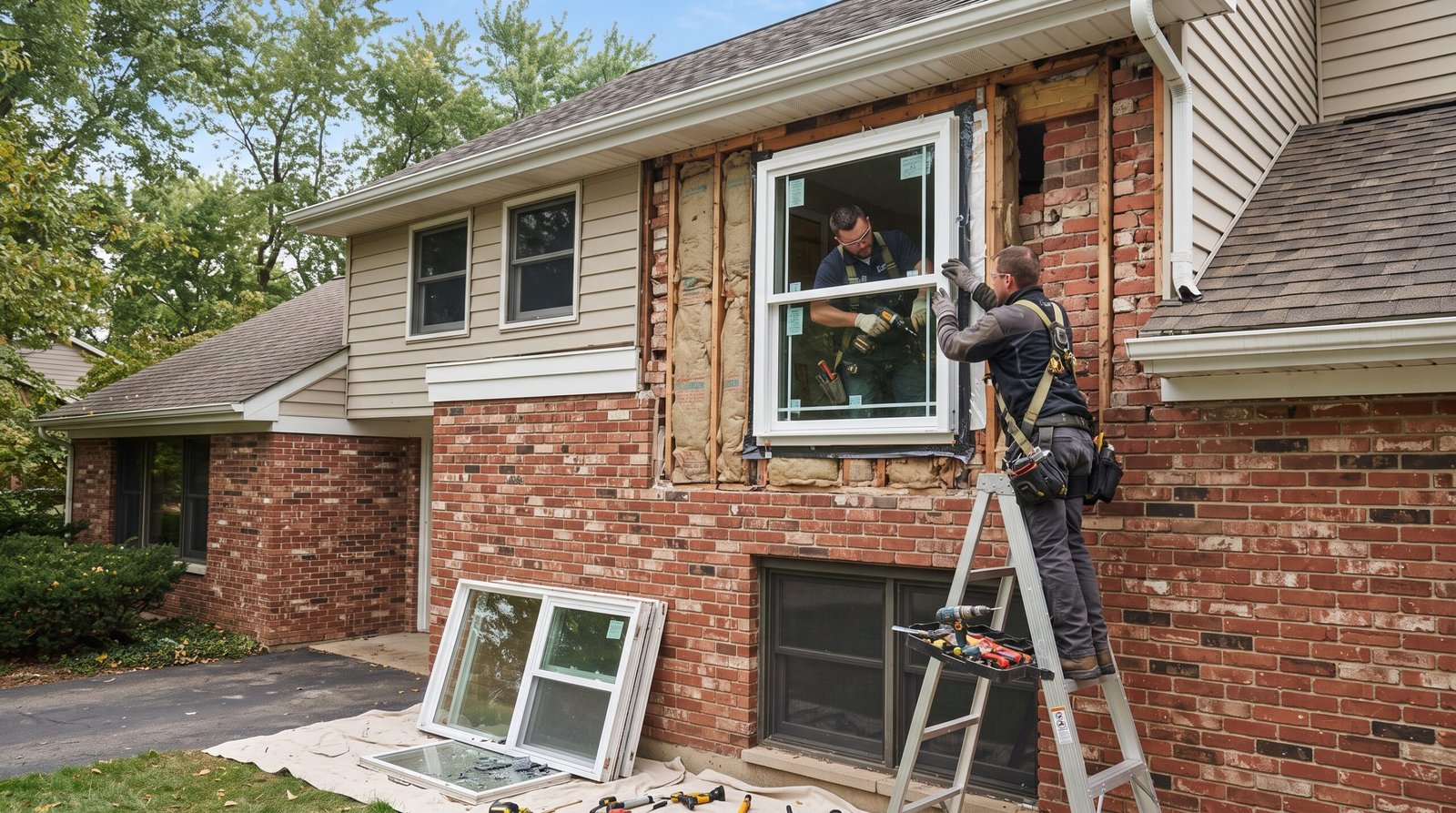
Step 8: Install and Seal the New Window
The replacement window is positioned, secured, insulated, and sealed according to the manufacturer’s installation requirements.
Step 9: Inspect and Test
The window should be checked for proper operation, alignment, sealing, and appearance before the project is considered complete.
When Is the Best Time to Replace Windows?
Window replacement can be performed during many times of the year, depending on weather conditions and contractor availability.
Spring and summer are popular periods because weather conditions are often more convenient for exterior work. However, waiting for peak season may also mean longer scheduling times.
Fall can be a good time to prepare a home for colder weather, while winter projects may sometimes offer greater contractor availability. Your local climate and the urgency of the window problems should be considered when deciding when to start.
Should You Replace All Windows at Once?
Not necessarily.
Some homeowners replace every window at the same time for a consistent appearance and to complete the project in one phase. Others replace the windows that have the greatest problems first and gradually complete the rest of the home.
If you’re working with a limited budget, ask contractors whether a phased replacement plan makes sense for your property.
Questions to Ask Before Buying Replacement Windows
Before committing to a window replacement project, ask yourself:
- Which windows have the biggest problems?
- Do I need better insulation?
- Which window styles fit my home?
- How much maintenance am I willing to do?
- Do I need improved noise reduction?
- What is my total project budget?
- What warranties are available?
- Does the contractor provide professional installation?
- Should I replace all windows or prioritize certain rooms?
Taking time to answer these questions can make it easier to compare different products and estimates.
Get Multiple Window Replacement Options
You don’t have to choose the first contractor or window option you find. Comparing different options can help you understand available materials, installation methods, warranties, and pricing.
If you’re considering replacing your windows, getting quotes from qualified local professionals can give you a clearer idea of what your project may require.
SPONSORED
Looking for affordable windows replacement options? Get connected with window professionals and compare available options for your home.